97921 Acre Colorado SWPPP RequirementsLook, if you’re doing construction in Colorado and disturbing 1 acre or more of land, you need a SWPPP. Period. No exceptions. No “but what if” scenarios. The state doesn’t care if you’re building a house, a shopping center, or digging a ditch – mess with an acre of dirt, and you’re in the game.
Here’s what most people don’t get: Colorado’s stormwater rules aren’t suggestions. They’re enforced by the Colorado Department of Public Health and Environment (CDPHE) under the National Pollutant Discharge Elimination System (NPDES) program. Miss this, and you’re looking at fines that’ll make your head spin.
What Exactly Is a SWPPP in Colorado?
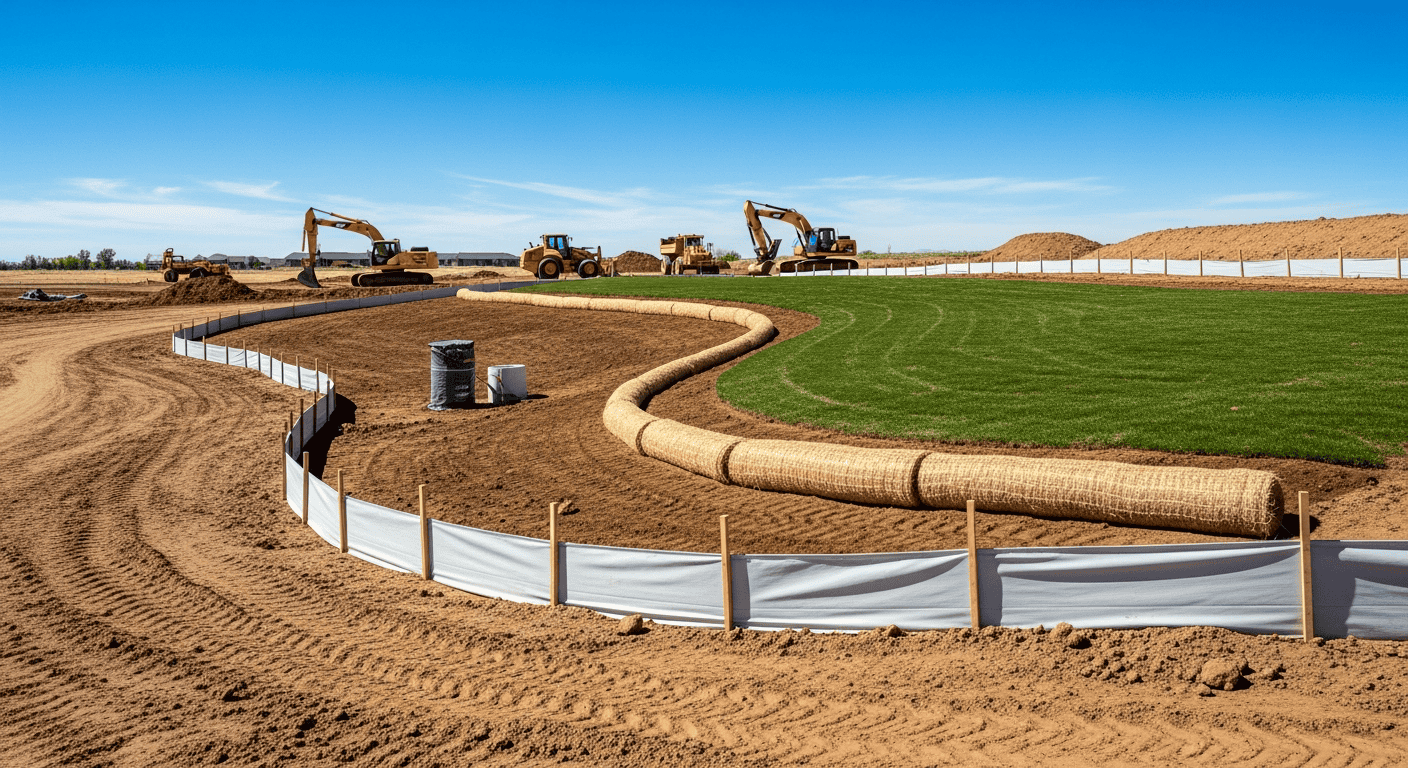
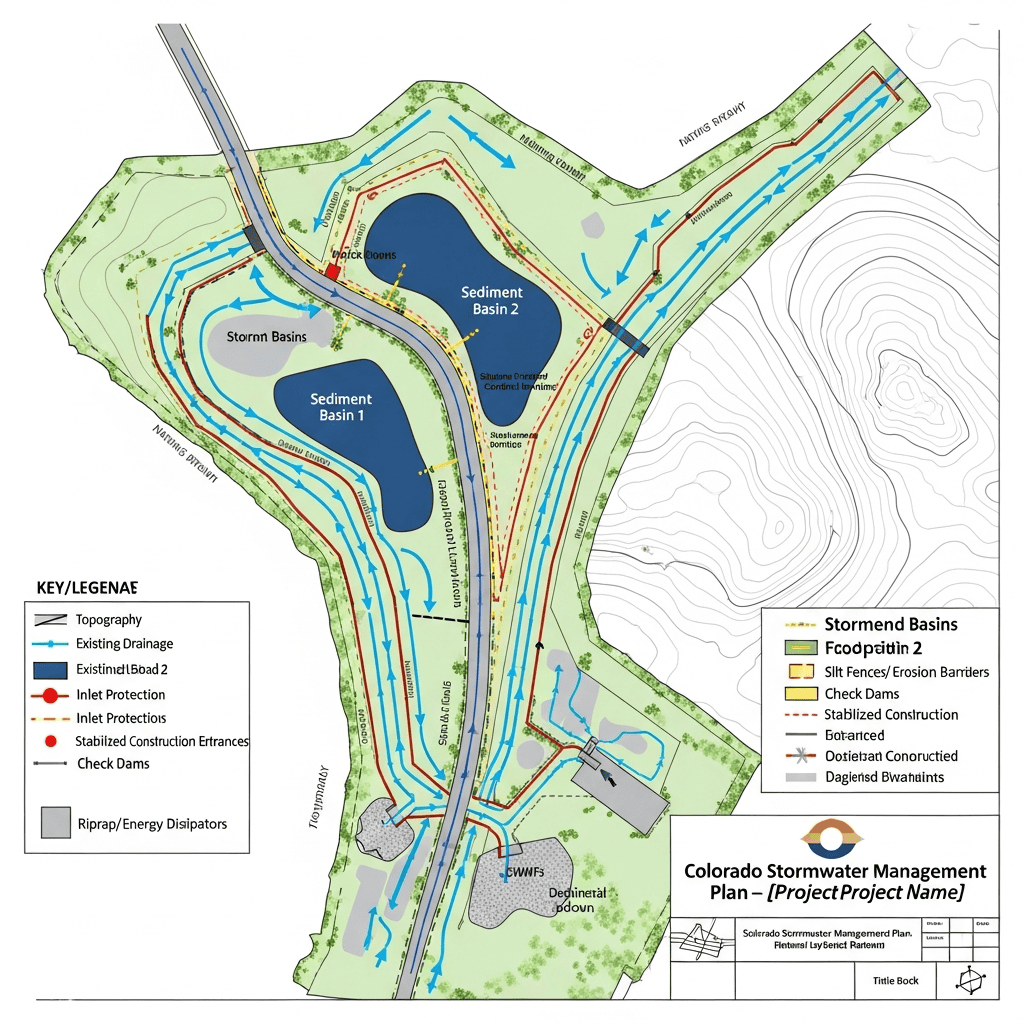
A Stormwater Pollution Prevention Plan (SWPPP) is your blueprint for keeping dirt, chemicals, and other nasty stuff from washing into Colorado’s waterways during construction. Think of it as your insurance policy against the Clean Water Act coming down on you like a hammer. Your SWPPP needs these key pieces:- Site description with all project details
- Best Management Practices (BMPs) for erosion control
- Construction timeline that matches your control measures
- Site maps showing drainage and where your controls go
- Inspection procedures and maintenance plans
- Spill prevention strategies
The Colorado Permitting Process That Actually Works
Here’s the step-by-step that won’t leave you scratching your head: First, create your SWPPP before you even think about applying for permits. This isn’t backwards – it’s how you avoid getting rejected and starting over. Next, submit your Notice of Intent (NOI) at least 30 days before you touch any soil. Yes, 30 days. Not 29. Not “close enough.” If you need help understanding this process, contact us at 833-GET-SWPP for the full breakdown. Then install your perimeter controls before disturbing anything. Silt fences, sediment traps, whatever your plan calls for – get them in place first. During construction, you’ll conduct regular inspections and adjust your BMPs when needed. Colorado weather changes fast, and your controls need to keep up. Finally, when you’re done and the site is stabilized, submit your Notice of Termination (NOT). Keep all records for three years minimum – trust me, you’ll want them if questions come up later.Local Rules That Can Catch You Off Guard
Colorado isn’t just about state rules. Local jurisdictions add their own requirements that can trip you up if you’re not paying attention. Pueblo County updated their rules in 2023. Now they want Stormwater Management Plans (SWMPs) for sites disturbing 1 acre or more. But here’s the kicker – they also require Erosion and Sediment Control Plans (ESCPs) for disturbances between 1,000 square feet and 1 acre. Urbanized areas under MS4 permits have their own twist. They require permanent stormwater management facilities like rain gardens or infiltration basins. These aren’t temporary construction controls – they’re forever fixes. Larimer County rolled out updated stormwater design standards in 2023 too. Each county seems to have its own flavor of requirements on top of the state rules.