9875Arkansas SWPPP Requirements: Compliance Guide for 2026Pro SWPPP – America’s #1 SWPPP Service helps construction sites across the country stay compliant with stormwater rules. If you’re planning to move dirt in Arkansas, you probably have one big question: do I need a SWPPP? And what about an NOI? Let’s make this super simple.
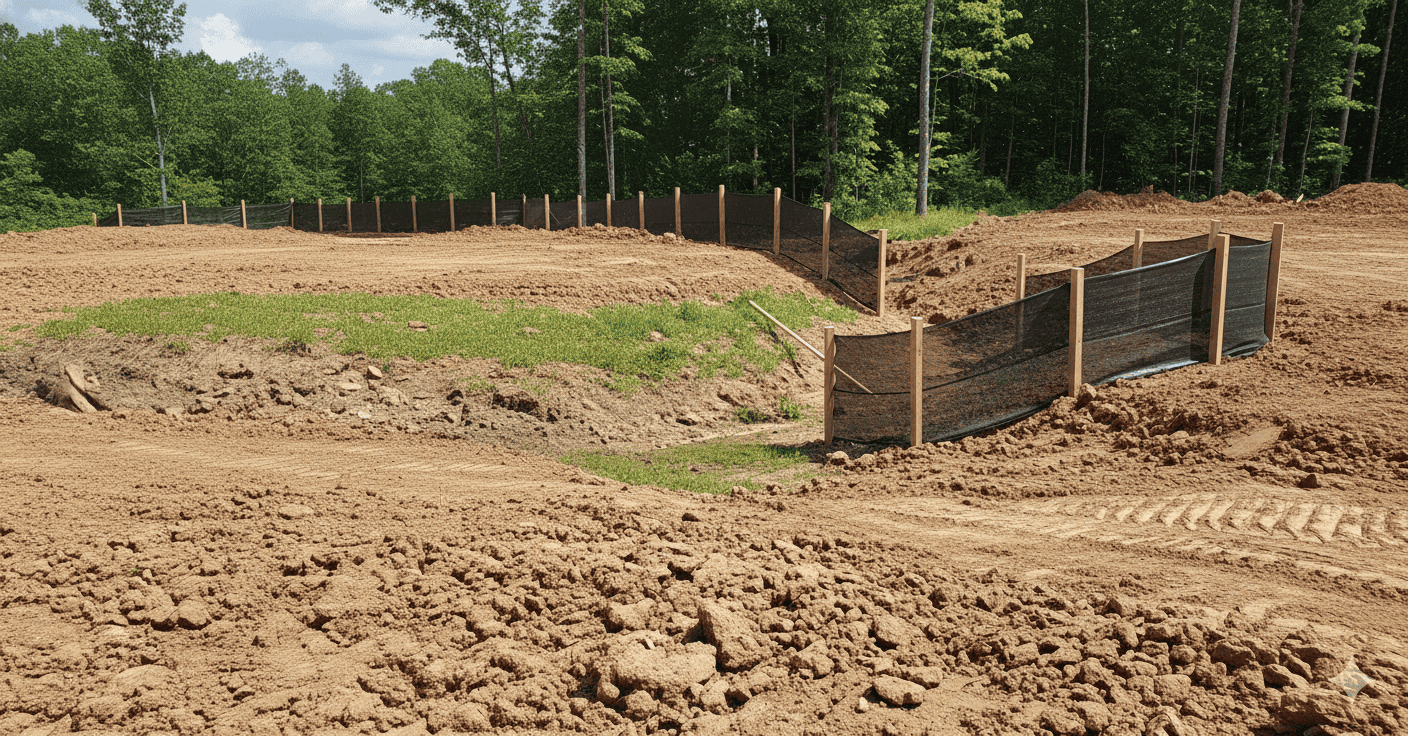
 ARDOT inspects construction sites every week. Their engineers check that BMPs are installed correctly and maintained. If a silt fence is torn or a sediment basin is full, they’ll write you up. Your contractor is responsible for fixing it fast.
Why Arkansas Cares About Your Dirt
Here’s the deal. When it rains on your construction site, that water doesn’t just disappear. It picks up dirt, chemicals, oil, and trash. Then it flows straight into creeks, rivers, and lakes. That’s pollution. The Clean Water Act says you can’t do that. The National Pollutant Discharge Elimination System (NPDES) enforces this law. In Arkansas, the Arkansas Department of Environmental Quality (ADEQ) runs the show. They require permits for any construction that disturbs one acre or more. That means if you’re building a warehouse, a shopping center, or a housing development, you need to play by their rules.What Is a SWPPP?
A Stormwater Pollution Prevention Plan is your game plan. It shows exactly how you’ll keep dirty water from leaving your site. Think of it like this: before you cook a big meal, you need a recipe. Before you disturb land, you need a SWPPP. Your SWPPP includes details about your site. What kind of soil do you have? Where does the water flow? What pollutants might show up? Then it lists your Best Management Practices (BMPs). These are the tools and tricks you’ll use to stop pollution. Examples include silt fences, sediment basins, erosion control blankets, and inlet protection. The SWPPP also tells you when to inspect your site and what to do if something goes wrong. It’s your blueprint for keeping the water clean and the regulators happy.What Is an NOI?
An NOI is a Notice of Intent. It’s the form you send to ADEQ that says, “Hey, I’m starting a project and I need permit coverage.” You can’t legally start moving dirt until your NOI is approved and your permit coverage kicks in. This is huge. Start too early and you risk big fines. The NOI tells the state who you are, where your site is, and what kind of work you’re doing. Once ADEQ processes it, you’re covered under the Construction General Permit (CGP). That permit gives you legal permission to discharge stormwater, as long as you follow your SWPPP.Do You Need a SWPPP or an NOI in Arkansas?
Short answer: if you disturb one acre or more, you need both. The NOI gets you the permit. The SWPPP is the plan you follow to stay compliant. You can’t have one without the other. Let’s say you’re building a new apartment complex in Little Rock. Your site is three acres. You need to file an NOI with ADEQ. You also need a SWPPP written before you break ground. Your contractor should have that SWPPP on site at all times. Inspectors from ADEQ or the Arkansas Department of Transportation (ARDOT) can show up and ask to see it. What if your project is smaller than one acre? If you’re part of a larger common plan of development that totals one acre or more, you still need coverage. For example, building one house in a new subdivision might not seem like much. But if the whole subdivision is five acres, every lot needs permit coverage. Not sure what your project needs? Take our SWPPP Quiz or Schedule a Free SWPPP Consultation with CPESC Certified SWPPP Expert Derek E. Chinners.What Happens If You Skip the Paperwork?
Bad things. Seriously. ADEQ enforces these rules. If you start construction without an approved NOI, you’re violating federal and state law. Fines can run into the tens of thousands of dollars. Your project can be shut down until you fix the problem. Even if you file the NOI but don’t follow your SWPPP, you can get hit with penalties. Inspectors look for missing BMPs, dirty water leaving the site, and incomplete records. They don’t mess around. Pro SWPPP – America’s #1 SWPPP Service has seen it all. We’ve helped clients avoid fines, pass inspections, and sleep better at night. The cost of a good SWPPP is way less than the cost of one violation.How Arkansas Reviews Your SWPPP
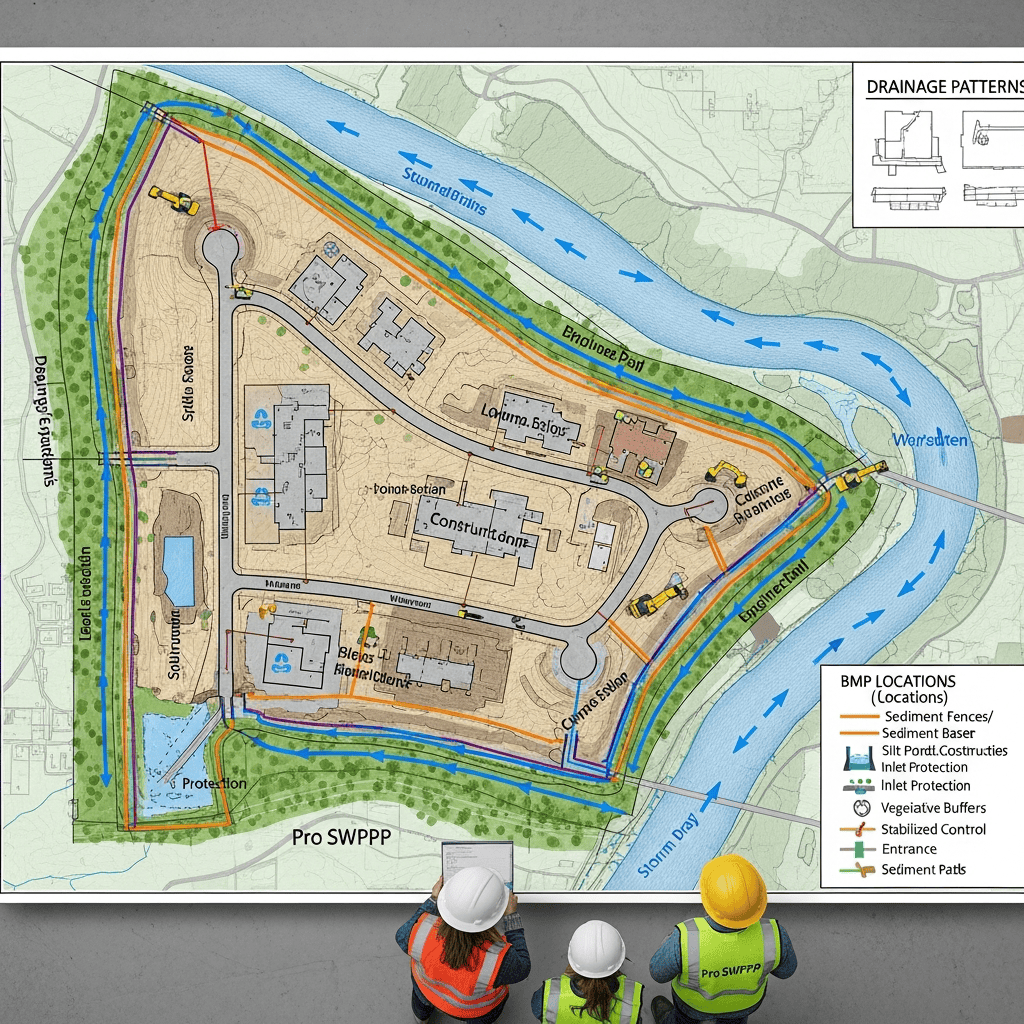
ADEQ wants to see a site-specific plan. That means no copy-paste jobs. Your SWPPP needs to match your actual site. They look at soil types, slope, drainage patterns, and nearby waterways. If you’re close to a 303(d) listed impaired water or an Ecologically Sensitive Waterbody, you’ll need extra controls.
ARDOT inspects construction sites every week. Their engineers check that BMPs are installed correctly and maintained. If a silt fence is torn or a sediment basin is full, they’ll write you up. Your contractor is responsible for fixing it fast.
Key Elements of Your Arkansas SWPPP
Every SWPPP must include these parts:- Site description with maps and drainage areas
- List of potential pollutants
- BMPs for erosion control and sediment control
- Inspection schedule and responsible parties
- Spill response procedures
- Record keeping and reporting requirements
Best Management Practices That Work
BMPs are the heart of your SWPPP. Here are some common ones used in Arkansas:- Silt fences along the site perimeter
- Sediment basins to catch runoff
- Erosion control blankets on steep slopes
- Inlet protection around storm drains
- Stabilized construction entrances to keep mud off roads
- Dust control measures like watering or mulch
Inspections and Record Keeping
You must inspect your site at least once every seven days and within 24 hours of a storm event that produces 0.5 inches or more of rain. Document everything. Take photos. Note any problems and how you fixed them. Keep these records for at least three years. ADEQ can audit your records at any time. If you can’t prove you’ve been inspecting and maintaining your BMPs, you’re in trouble. Pro SWPPP – America’s #1 SWPPP Service can help you set up simple, foolproof inspection logs.Common Mistakes to Avoid
Here’s what trips people up:- Starting work before the NOI is approved
- Using a generic SWPPP template that doesn’t match your site
- Forgetting to update the SWPPP when site conditions change
- Skipping inspections or not documenting them
- Letting BMPs fall apart without fixing them