10118Maine SWPPP Requirements: Complete 2026 Compliance GuidePro SWPPP – America’s #1 SWPPP Service knows that Maine construction pros are staring down a big question for 2026: “Do I need a SWPPP, and how do I keep the state off my back?” If you’re moving dirt on more than one acre, the answer is yes. And if you get it wrong, you’re looking at fines, stop-work orders, and a massive headache. Let’s cut through the confusion and get you squared away.
 For Large Construction Projects—those disturbing five acres or more—Maine throws in extra requirements. You’ll need more detailed plans and tighter controls. The state takes bigger projects seriously because they can do more damage if something goes wrong.
 Pro SWPPP – America’s #1 SWPPP Service stays on top of every rule change. When Chapter 500 drops, we’ll already have your SWPPP updated to match. You won’t have to scramble or guess.
What Is a SWPPP and Why Does Maine Care?
A Stormwater Pollution Prevention Plan is your game plan for keeping mud, oil, trash, and other junk from washing off your construction site into Maine’s rivers, lakes, and streams. The Clean Water Act says you can’t dump polluted stormwater into waterways without a permit. That’s where the NPDES program comes in. In Maine, the Department of Environmental Protection runs the show with the 2025 Maine Construction General Permit. Here’s the deal: if your project disturbs one acre or more—whether you’re clearing land, grading, digging, or paving—you need permit coverage and a complete SWPPP before you start. No exceptions. This isn’t about being mean; Maine has some of the cleanest water in the country, and the state wants to keep it that way.The 2025 Maine Construction General Permit: Your 2026 Rule Book
The 2025 MCGP is the permit you’ll be working under throughout 2026. It replaced older erosion and sedimentation control plans. If you had an old plan, it’s done. You need a full SWPPP now. The permit covers all construction stormwater discharges statewide and applies to brand-new projects and ongoing work that hasn’t been properly terminated. What does the permit require? You must submit your SWPPP with your notice of intent. Your plan needs a site map showing the land you’re disturbing, nearby natural resources like wetlands and streams, and all your erosion and sediment controls. You also need inspection and maintenance logs that list who’s doing what and when. Plus, you have to follow housekeeping standards—things like covering materials, cleaning up spills fast, and keeping your site organized.
For Large Construction Projects—those disturbing five acres or more—Maine throws in extra requirements. You’ll need more detailed plans and tighter controls. The state takes bigger projects seriously because they can do more damage if something goes wrong.
Do You Need an NOI or Just a SWPPP?
This trips people up all the time. An NOI is your Notice of Intent. It’s the form you file with Maine DEP to get permit coverage. Your SWPPP is the actual plan document. You need both. You can’t get permit coverage without submitting your SWPPP along with your NOI. Think of the NOI as your application and the SWPPP as your proof that you know what you’re doing. If you already have permit coverage from a prior project and you’re still working under it, you might not need a new NOI. But if you’re starting fresh or your old coverage ended, you file the NOI and SWPPP together. The Maine DEP website has the forms, but filling them out correctly is where most builders mess up. Pro SWPPP – America’s #1 SWPPP Service handles both documents for you. We make sure your NOI matches your SWPPP and that everything is tight before it hits the state’s desk. No back-and-forth, no rejections, no delays.What Goes Into a Maine SWPPP?
Your SWPPP isn’t a one-page form. It’s a detailed document that shows you’ve thought through every step of stormwater management. Here’s what Maine wants to see:- Site Map: Show your property boundaries, areas of disturbance, nearby water bodies, wetlands, drainage patterns, and where stormwater flows off your site.
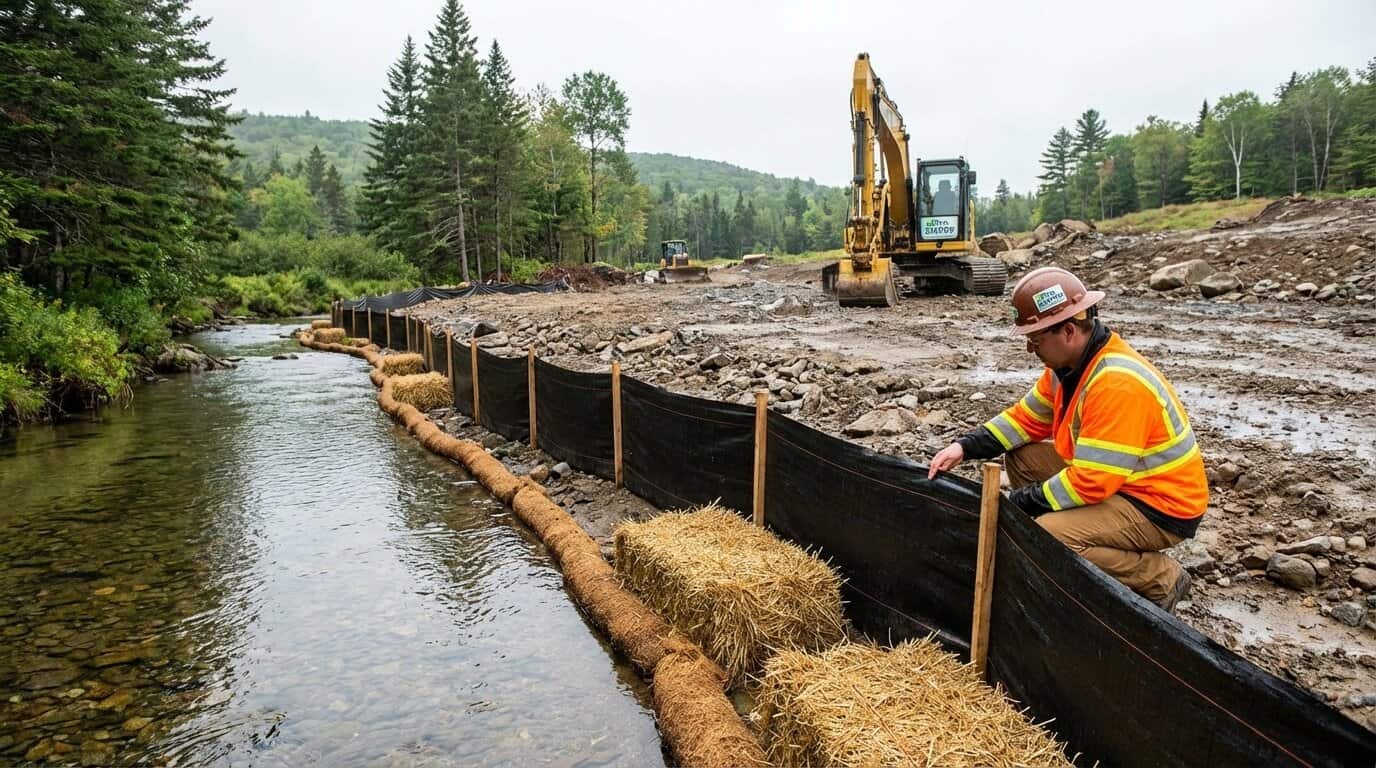
- Best Management Practices: List every erosion control and sediment control measure you’ll use. That includes silt fences, sediment basins, rock check dams, stabilized entrances, dust control, and soil stabilization.
- Inspection Schedule: Spell out how often you’ll inspect your controls—at least once every seven days and within 24 hours of a storm that dumps half an inch or more of rain.
- Maintenance Logs: Track every repair, every fix, every time you clean out a basin or replace a fence. Include names, dates, and what got done.
- Responsible Parties: Name the people in charge of inspections, maintenance, and emergency response. If something goes wrong, the state wants to know who to call.
- Housekeeping Measures: Explain how you’ll manage materials, chemicals, and waste to prevent spills and leaks.
Spring 2026: Chapter 500 Stormwater Rule Update
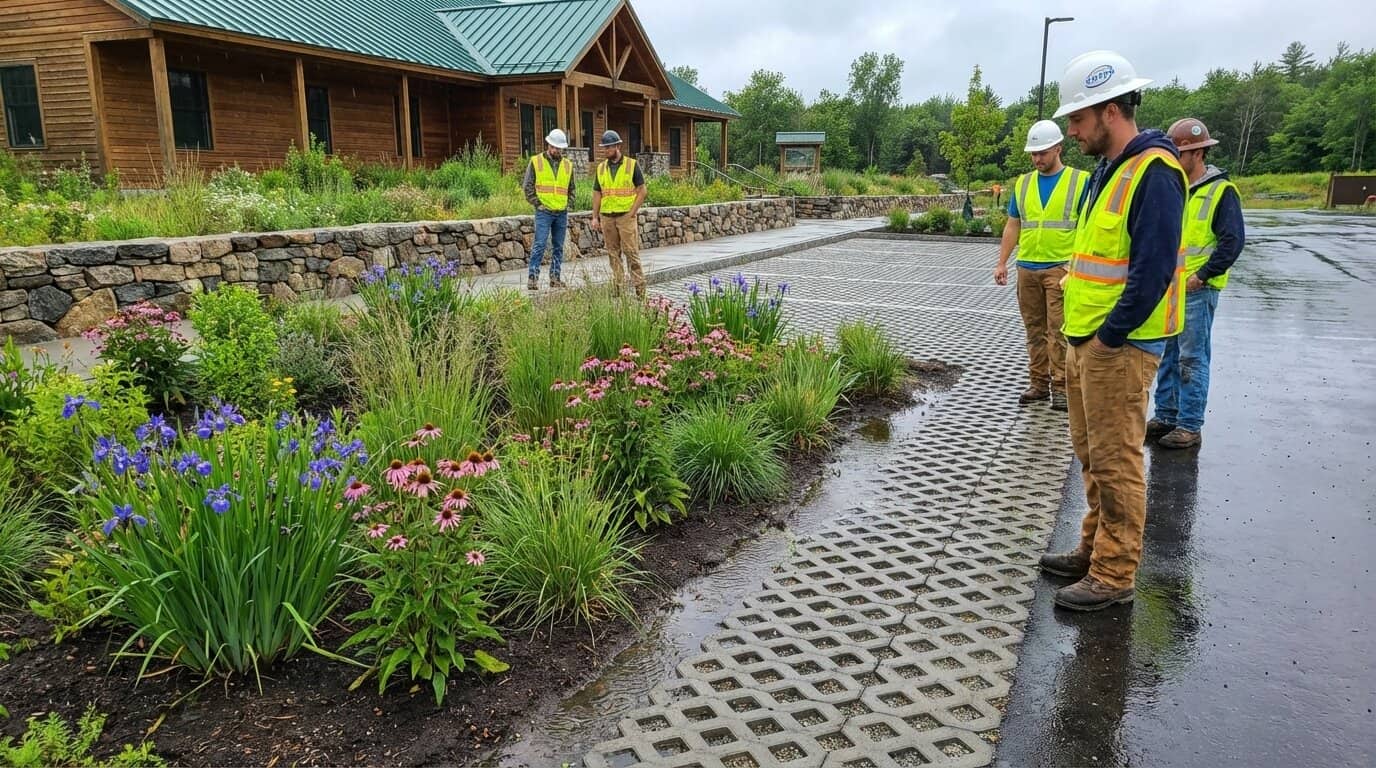
Maine DEP is rolling out updates to Chapter 500 Stormwater Management rules in spring 2026. These changes will push climate adaptation, low-impact development, and better alignment with the MCGP. If you’re planning a project that stretches into late 2026 or beyond, pay attention. The new rules may tighten standards for things like vegetated buffers, detention ponds, and LID techniques such as permeable pavement and rain gardens. LID is all about mimicking natural water flow—soaking up rain where it falls instead of letting it run off. The state is serious about this. Some MS4 permits already require municipalities to adopt LID ordinances. If you’re in a town with those rules, your project might have extra hoops to jump through.
Pro SWPPP – America’s #1 SWPPP Service stays on top of every rule change. When Chapter 500 drops, we’ll already have your SWPPP updated to match. You won’t have to scramble or guess.
Common Mistakes That Cost You Money
Maine inspectors see the same screw-ups over and over. Here are the big ones:- No SWPPP on site: You’re required to keep a copy of your plan where inspectors can grab it. If it’s back at the office, you’re in trouble.
- Skipping inspections: Missing a weekly check or a post-storm inspection is a violation. Inspectors look at your logs. If the dates don’t line up, you get cited.
- Broken controls: A ripped silt fence or a clogged basin that you ignore is a direct discharge violation. Fix it fast and document it.
- Mixing non-stormwater: If you’re washing equipment or discharging concrete waste into stormwater, you need separate authorization or you have to stop. Don’t mix the two.
- Wrong responsible party: Naming someone who’s never on site or doesn’t know the plan is a red flag. Make sure your listed inspector actually does the job.