9906Multi-Sector Industrial SWPPP Permit Compliance Guide 2026Pro SWPPP – America’s #1 SWPPP Service helps thousands of companies every year stay out of trouble with stormwater rules. Most people don’t know if they need a SWPPP or just an NOI. And guess what? Getting it wrong costs you time, money, and headaches with the EPA or your state. Let’s fix that right now.
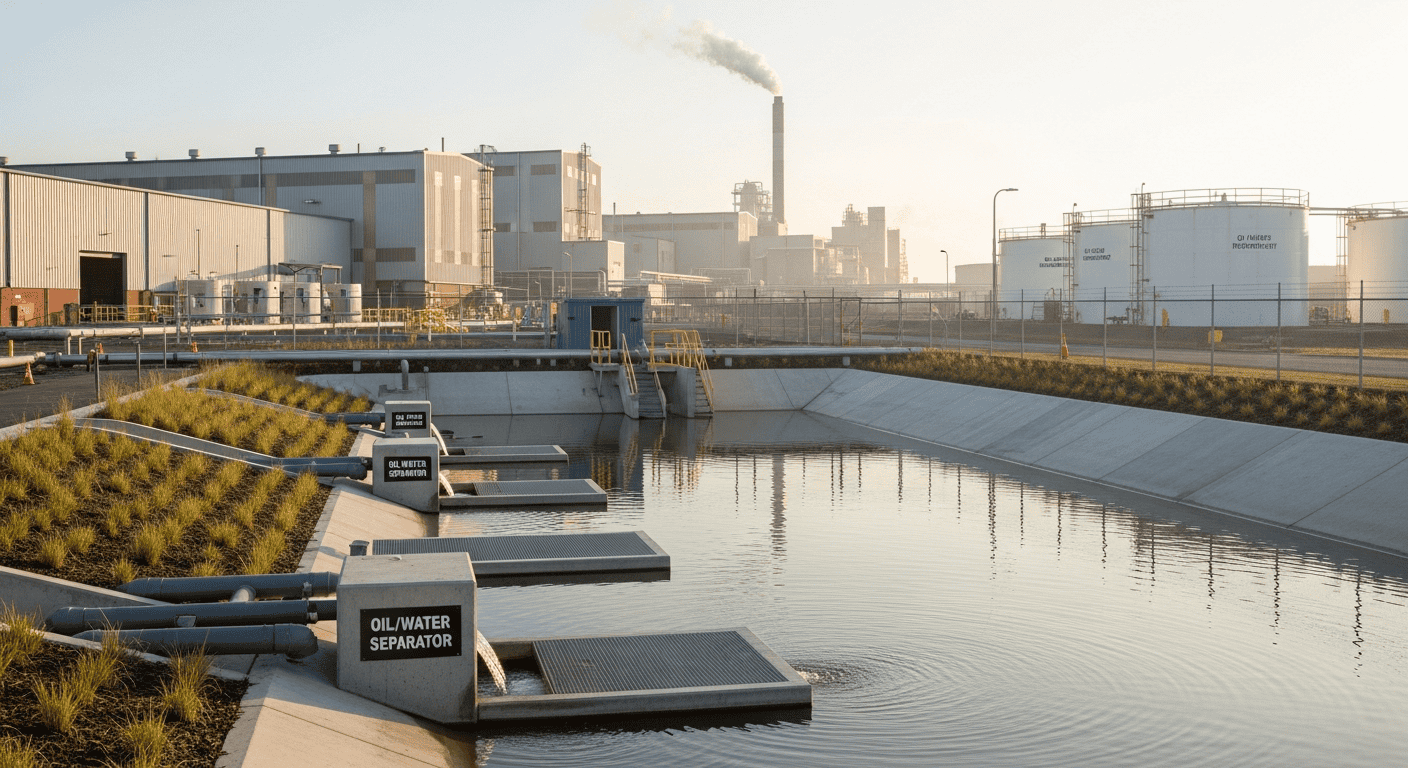

What Is a Multi-Sector Industrial SWPPP Permit?
The Multi-Sector General Permit (MSGP) covers stormwater that runs off from industrial sites. If you make stuff, store materials outside, or run a facility that could leak chemicals into rainwater, you probably need this permit. The EPA made the rules under the Clean Water Act. Your state runs the show through something called NPDES. Every five years the permit gets renewed. New rules come out. You have to keep up or risk fines. Think of it like this: rain hits your property, picks up oil, metal, dirt, or chemicals, then runs into a storm drain. That water goes straight to rivers and lakes. The government wants to stop pollution before it leaves your site.Do You Need a SWPPP or Just an NOI?
Here’s the deal. An NOI is a Notice of Intent. It’s a form you file to tell the state you want permit coverage. A SWPPP is a Stormwater Pollution Prevention Plan. It’s a big document that spells out how you’ll keep pollutants out of stormwater. You need both. You can’t file an NOI without a SWPPP already done. The SWPPP comes first. Then you submit the NOI. Then you get your permit coverage. Some folks think the NOI is enough. Wrong. The SWPPP is the muscle. The NOI just announces you have a plan. If an inspector shows up and you don’t have a real SWPPP on site, you’re in trouble.
Who Needs Multi-Sector Industrial Permit Coverage?
The EPA lists 11 categories of industrial activities. If you do any of these, you need a permit:- Manufacturing plants
- Material storage yards
- Transportation facilities with vehicle maintenance or equipment cleaning
- Large wastewater treatment plants
- Food processing, printing, electronics, or warehousing operations
How the SWPPP Works
Your SWPPP is a living document. It sits on site. You update it when things change. It includes:- A site map showing where materials are stored and where stormwater flows
- A list of all pollutants that could get into stormwater
- Best Management Practices (BMPs) to stop pollution
- Erosion Control and Sediment Control measures
- Inspection schedules and monitoring records
- Employee training logs
State-Specific Rules You Can’t Ignore
Every state has its own version of the MSGP. The bones are the same but details change. Let’s look at two big ones.Texas MSGP
The Texas Commission on Environmental Quality (TCEQ) runs the show. The current permit took effect in August 2021. A draft 2026 MSGP update just came out in November 2025. If you have a facility in Texas, you need to renew your NOI before the deadline and update your SWPPP to match new rules. You also pay annual fees. Miss a payment and your coverage lapses. No coverage means illegal discharges. Illegal discharges mean fines up to tens of thousands of dollars per day.Georgia and Other States
In Georgia, the EPD handles permits. Other states like Ohio, Pennsylvania, and California have their own twists. Some require quarterly visual inspections. Some want nitrogen and phosphorus monitoring. Some have special rules if your site is near a sensitive watershed. Local city and county rules can stack on top of state rules. You might need extra permits or inspections. That’s why Pro SWPPP – America’s #1 SWPPP Service does a full regulatory review for every project. We check federal, state, and local requirements so nothing falls through the cracks. Don’t want to mess with all the paperwork and requirements? Check out Order your SWPPP now with Pro SWPPP Professional CPESC Certified SWPPP Services.
Common Mistakes That Cost You Money
Here are the top mistakes we see all the time:- Filing an NOI without a completed SWPPP
- Not renewing before the five-year deadline
- Skipping quarterly inspections
- Leaving materials uncovered during rain
- Not training employees on spill response
- Forgetting to submit Discharge Monitoring Reports on time
What Best Management Practices Really Mean
BMPs sound fancy but they’re simple. A BMP is anything you do to stop pollution. Examples:- Tarps over material piles
- Berms around chemical tanks
- Sweeping loading docks weekly
- Secondary containment for oil drums
- Gravel pads at site entrances to knock mud off tires
How to Stay Compliant Without Losing Your Mind
Compliance is easier when you have a system. Here’s what works:- Set calendar reminders for inspection dates
- Train one person to be the stormwater champion
- Keep your SWPPP in a binder near the front office
- Take photos during inspections
- Fix problems the same day you spot them
- Update your SWPPP whenever you add equipment or change processes