9866North Dakota SWPPP Requirements: Complete Compliance Guide 2026Pro SWPPP – America’s #1 SWPPP Service knows this: you’re about to dig dirt in North Dakota, and now someone’s talking about permits and paperwork. You just want to build. But here’s the truth – skip the right stormwater rules and you’ll pay way more in fines than the permit ever cost. Let’s fix that right now.
If you’re moving dirt in North Dakota, you need to know about SWPPP requirements fast. This guide breaks down exactly what you need, when you need it, and how to stay out of trouble.
What Is a SWPPP and Why Does North Dakota Care?
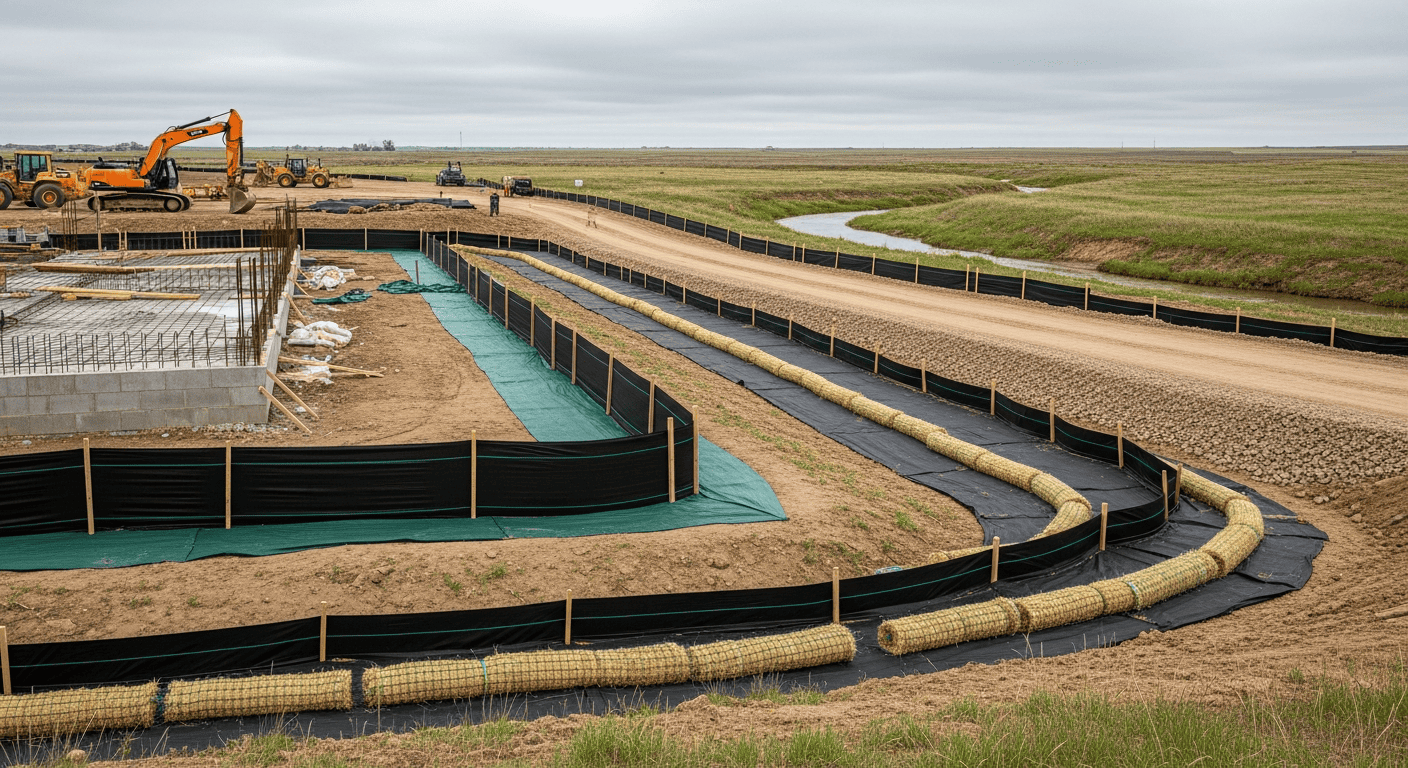
A Stormwater Pollution Prevention Plan (SWPPP) is your playbook for keeping dirt, mud, and pollutants out of rivers, lakes, and streams when you’re building. Think of it like this: when it rains on your construction site, that water picks up everything – oil, sediment, chemicals – and carries it straight into North Dakota’s waterways. The Clean Water Act says that’s not okay. The EPA created the NPDES program (National Pollutant Discharge Elimination System) to stop polluted runoff. Every state runs its own version. In North Dakota, the Department of Environmental Quality handles it. Here’s the simple rule: disturb one acre or more of dirt, and you need coverage under the Construction General Permit (CGP). That means you need a SWPPP. But wait – there’s a catch. Even if your project is smaller than one acre, you still need a SWPPP if you’re part of a bigger plan that adds up to more than one acre total. So if you’re building one house in a 20-home subdivision, you’re in.
Who’s Responsible for the SWPPP in North Dakota?
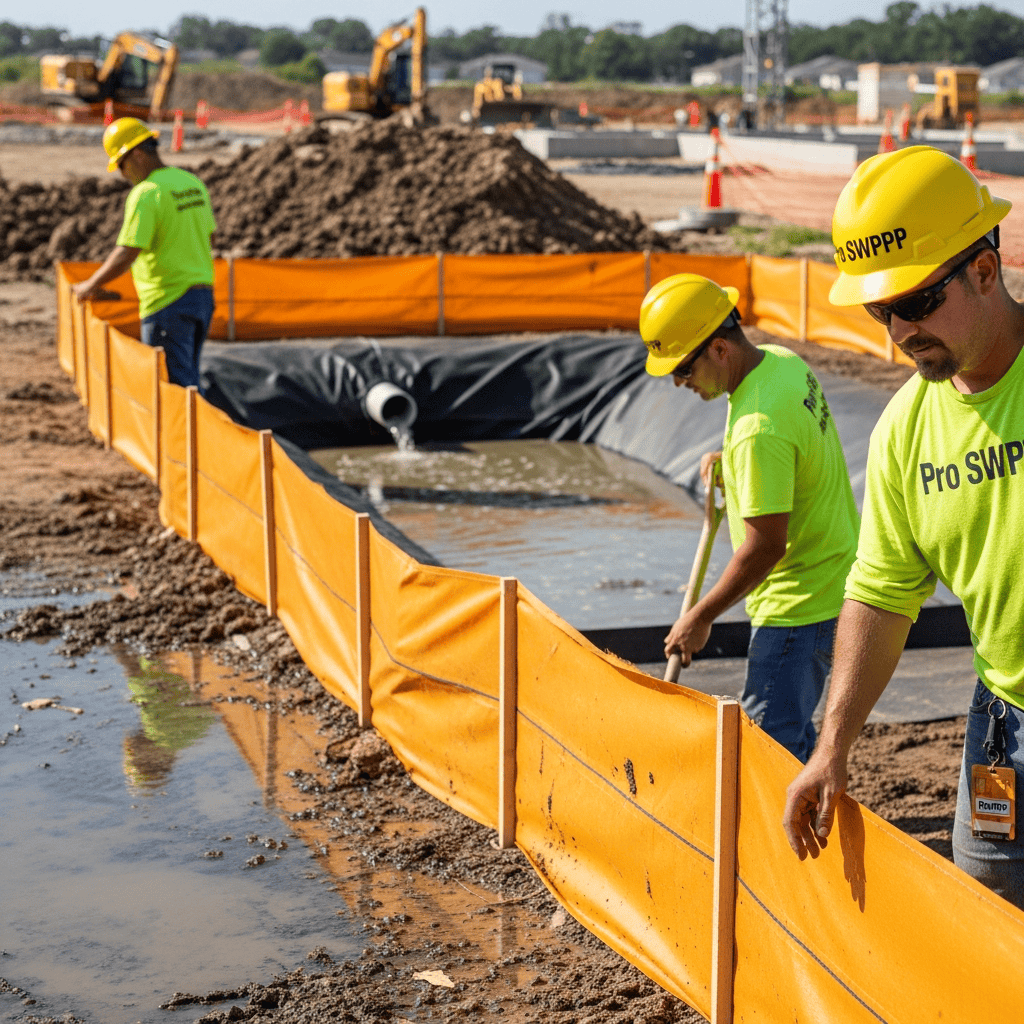
This trips people up all the time. In North Dakota, both the landowner and the contractor share responsibility. The landowner (or whoever hired you) gets the permit coverage. But the contractor – that’s you if you’re doing the work – is the operator. You’re the one running the show day-to-day. That means you’re both on the hook. The owner can’t just hand you a permit and walk away. And you can’t just say “the owner got the permit, not my problem.” You both need to make sure the SWPPP is current, inspections happen, and Best Management Practices (BMPs) are working. BMPs are things like silt fences, sediment basins, and erosion control blankets. They stop dirt and pollutants from leaving your site. Your SWPPP lists exactly which BMPs you’ll use and where.Do You Need to File a Notice of Intent (NOI)?
Yes. Before you start work, you file a Notice of Intent with the North Dakota Department of Environmental Quality. This tells them “Hey, I’m starting a project, and here’s how I’ll handle stormwater.” You can submit your NOI on paper or by email. No fee required. But give them at least 7 days to review it before you break ground. Don’t cut this close – if they come back with questions, you’ll need time to answer. Here’s the good news: you don’t have to submit your full SWPPP with the NOI. You just need to have it ready on-site. The state can ask to see it anytime, so keep it current and keep it handy. Don’t want to mess with all the paperwork and requirements? Check out Order your SWPPP now with Pro SWPPP Professional CPESC Certified SWPPP Services.What Goes in Your North Dakota SWPPP?
Your SWPPP needs to cover these basics:- Site description and maps showing where water flows
- List of all BMPs you’ll use for Erosion Control and Sediment Control
- Names of who’s responsible for what (owner, contractor, inspectors)
- Inspection schedule and log sheets
- Plan for stabilizing disturbed areas
- Emergency contact info if something goes wrong
Inspections and Keeping Your SWPPP Current
Once you start work, you need regular inspections. That means checking your BMPs weekly and after every storm that drops more than half an inch of rain. Write down what you found and what you fixed. Keep these records on-site:- Your current SWPPP
- Copy of your NOI
- The coverage letter from ND DEQ
- All inspection logs
- Maintenance records for your BMPs
- Copy of the Construction General Permit