9886Complete SWPPP Requirements Guide for Washington State ContractorsPro SWPPP – America’s #1 SWPPP Service helps construction teams in Washington State avoid surprise fines, project delays, and compliance headaches. If you’re building anything bigger than a house, you probably need a Stormwater Pollution Prevention Plan – and maybe a Notice of Intent too. Here’s exactly what Washington State requires, how to stay legal, and when to call the pros.

Why Washington State Takes Stormwater So Seriously
Rain is everywhere in Washington. When that water runs off dirt piles, construction zones, and paved lots, it picks up nasty stuff – oil, sediment, chemicals, and dumps it straight into rivers, streams, and Puget Sound. The Clean Water Act and the National Pollutant Discharge Elimination System (NPDES) program exist to stop that. Washington Department of Ecology enforces these rules hard. Break them, and you’ll pay thousands in fines and watch your project sit frozen. A SWPPP is your written game plan to keep mud and pollution from leaving your site. Think of it like insurance: pay a little now, or risk a huge bill later.Do You Need a SWPPP in Washington State?
Short answer: if you disturb one acre or more of land, you need a SWPPP and a Construction General Permit from Ecology. That’s federal law under the Clean Water Act. If your project is part of a bigger common plan – like a subdivision with multiple lots – and the total disturbed area hits one acre, every piece needs a SWPPP. Even projects under one acre may need a small-project SWPPP, especially in counties like Snohomish or King. Local rules can kick in if you’re building close to streams, wetlands, or steep slopes. When in doubt, check with your county planning office or ask us at Pro SWPPP.
What About the Notice of Intent (NOI)?
Before you break ground on a project requiring a SWPPP, you must file a Notice of Intent with the Washington Department of Ecology. The NOI tells the state “Hey, we’re starting construction, and we have a plan to handle stormwater.” You submit it electronically through Ecology’s Water Quality Permit system at least 60 days before you disturb soil. No NOI? No legal coverage. That means every raindrop that leaves your site dirty can trigger penalties. Filing the NOI on time unlocks your Construction General Permit – your shield against enforcement actions.What Goes Into a Washington SWPPP?
Your SWPPP isn’t a one-page checklist. It’s a living document that includes:- Site map: Shows where stormwater flows, where BMPs go, and where sensitive areas sit.
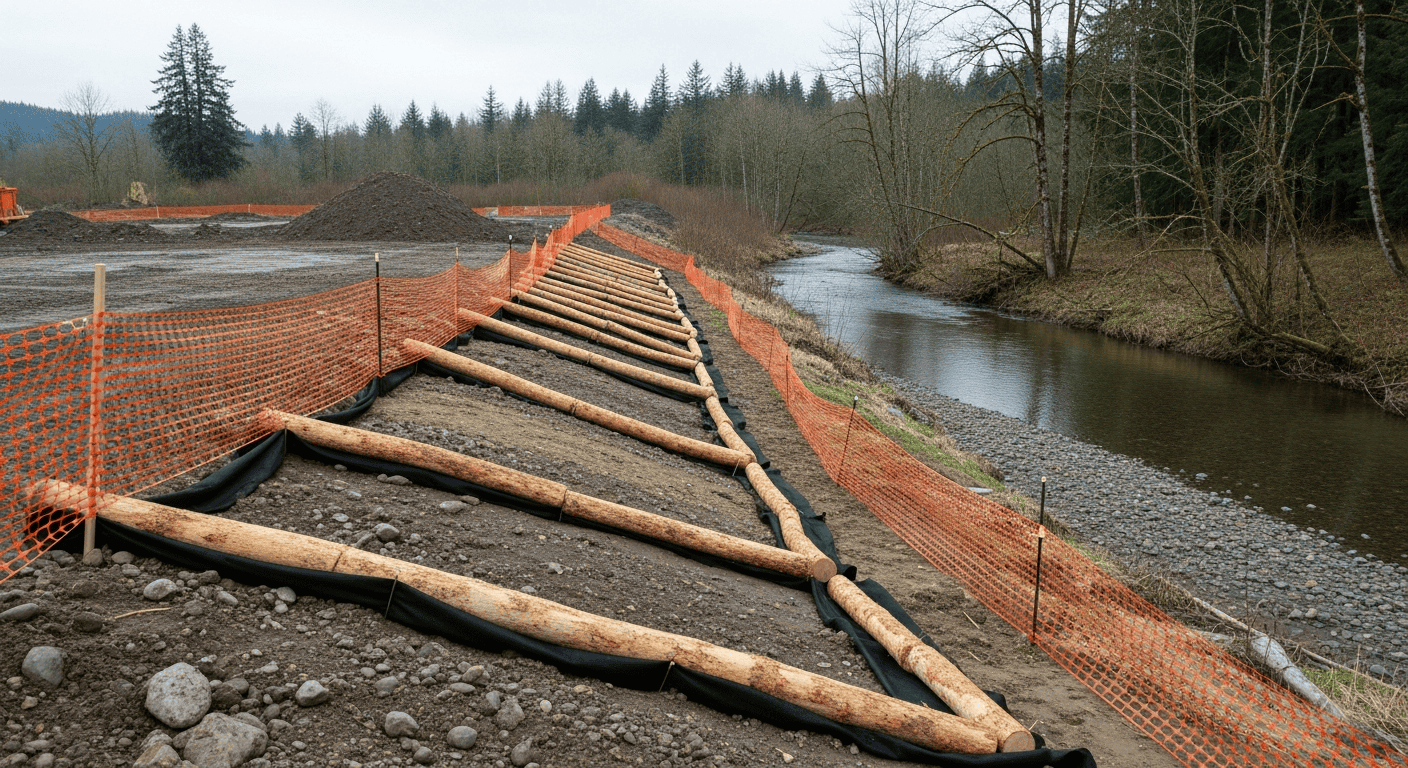
- Best Management Practices (BMPs): Silt fences, check dams, inlet protection, stabilized entrances – the physical tools that trap sediment and slow runoff.
- Erosion Control: Methods to stop soil from moving – mulch, blankets, hydroseeding.
- Sediment Control: Ways to catch dirt once it’s moving – sediment basins, filter socks, straw wattles.
- Inspection schedule: Weekly walkthroughs, plus checks within 24 hours after every half-inch of rain.
- Monitoring and reporting: Monthly Discharge Monitoring Reports (DMRs) to Ecology. You test pH, turbidity, and other measures to prove your water leaving the site is clean.
- Maintenance plan: How you’ll fix broken BMPs and keep everything working.
Real Examples from Washington Projects
Take the Sendero Townhome project in Everett. The crew installed a 5,000-gallon on-site water tank to handle dewatering without flooding neighbors or letting muddy water escape. They tested water quality weekly and filed reports on time. Result? Zero fines, zero delays, and one happy contractor. That’s what a solid SWPPP looks like in action. King County runs bioretention cells and constructed wetlands across urban zones. These green stormwater systems filter runoff before it reaches Echo Lake and other sensitive waters. They cut pollutants like PCBs and heavy metals. Big projects and small ones both benefit when erosion control and sediment control work together.
How Washington Differs from Other States
Every state enforces the Clean Water Act, but Washington adds extra layers. Texas builders deal with TCEQ and dry-climate challenges. Georgia crews navigate EPD rules and red clay. Washington? You face near-constant rain, steep terrain, salmon streams, and tight local ordinances. Washington Department of Ecology requires monthly DMRs for many sites. That’s more frequent reporting than some other states demand. Miss a report, and you risk a notice of violation. Pro SWPPP handles all that tracking so you can focus on building.Common Mistakes Washington Builders Make
Mistake one: waiting too long to file the NOI. You need 60 days of lead time. Start late, and you’ll either break the law or sit idle while competitors grab contracts. Mistake two: skipping inspections after small storms. Washington’s rules say inspect after every half-inch of rain. Even light drizzle adds up fast here. Mistake three: treating the SWPPP like a one-time form. It’s a living plan. When you change site layout, add a new BMP, or switch contractors, update the document. Mistake four: ignoring local rules. Counties like Snohomish have drainage plan thresholds that kick in below one acre. Always check city and county codes on top of state permits.When to Call the Pros
Writing a compliant SWPPP takes time, experience, and a working knowledge of Ecology’s latest permit language. You could spend weeks figuring out BMP sizing, pH limits, and inspection forms – or you could hire Pro SWPPP – America’s #1 SWPPP Service and get a CPESC-certified plan delivered fast. Pro SWPPP has helped thousands of projects stay legal across the country. Whether you’re pouring a warehouse foundation in Spokane or grading a subdivision in Tacoma, the team at Pro SWPPP knows Washington’s rules inside out. They write the plan, train your crew, and handle reporting so inspectors see zero red flags. Not sure what your project needs? Take our SWPPP Quiz or Schedule a Free SWPPP Consultation with CPESC Certified SWPPP Expert Derek E. Chinners.Best Management Practices That Work in Washington
Washington’s wet climate means your BMPs need to handle serious volume. Here’s what works:- Silt fences: Install them downslope of any disturbed area. Check and repair weekly.
- Check dams: Place rock or fiber rolls in ditches to slow water and drop sediment.
- Stabilized construction entrances: Crushed rock pads keep mud off public roads.
- Inlet protection: Wrap storm drains with filter fabric or gravel bags.
- Temporary seeding and mulch: Cover bare soil fast. Rain won’t wait.
- Dewatering tanks or flocculant systems: Treat pumped groundwater before discharge.