10291SWPPP vs NOI: Complete Compliance Guide for Contractors 2026Pro SWPPP – America’s #1 SWPPP Service helps builders stop worrying about stormwater violations. You’re ready to break ground. Your crew is lined up. Then someone asks: “Do we need a SWPPP or just an NOI?” Most contractors freeze because they don’t know the answer. One wrong move costs you $32,500 per day in fines. Let’s fix that right now.
What Is a SWPPP and Why Does It Matter?
A Stormwater Pollution Prevention Plan (SWPPP) is your blueprint for keeping dirt, chemicals, and trash out of rivers and streams during construction. The Clean Water Act says if you disturb one acre or more, you must control stormwater runoff. The National Pollutant Discharge Elimination System (NPDES) enforces this rule across the country. Think of it like a safety plan for water. You wouldn’t start a job without fall protection. You shouldn’t dig without erosion control either. A SWPPP tells your team exactly what to do when it rains. It lists every Best Management Practice (BMP) you’ll use to stop pollution. It shows where silt fences go. It names who inspects the site. It keeps you legal and your project moving. States like Texas and Georgia add their own rules on top of federal requirements. In Texas, the Texas Commission on Environmental Quality (TCEQ) runs the show. In Georgia, the Environmental Protection Division does. Each state has different deadlines, forms, and inspection schedules. That’s why Pro SWPPP – America’s #1 SWPPP Service customizes every plan to match your state’s exact rules.What Is an NOI and How Is It Different?
A Notice of Intent (NOI) is a short form you file with your state to get covered under the Construction General Permit (CGP). It tells regulators you’re starting a project and you’ll follow stormwater rules. The NOI is not the plan itself. It’s the paperwork that activates your permit. Here’s the key difference: You file the NOI first. Then you create the SWPPP. The SWPPP stays on-site for inspectors. The NOI goes to the state. You can’t file an NOI without having a SWPPP ready. They work together like a lock and key. Some states let you file the NOI online in minutes. Others require paper forms and checks. Most give you a permit number within 48 hours. Once you have that number, you can start moving dirt. But you must have your SWPPP finished and on-site before the first shovel hits the ground.
Do You Need Both or Just One?
You need both if you’re disturbing one acre or more. No exceptions. The NOI gets you the permit. The SWPPP shows how you’ll comply. Inspectors will ask to see both during site visits. If your project is under one acre, you might skip both. But check local rules first. Some cities require SWPPPs for smaller sites near wetlands or lakes. Some require them in historic districts or sensitive watersheds. Don’t guess. One mistake triggers a stop-work order. Not sure what your project needs? Take our SWPPP Quiz (link) or Schedule a Free SWPPP Consultation with CPESC Certified SWPPP Expert Derek E. Chinners.Why Most Contractors Get This Wrong
Builders mess up because they treat the NOI like the finish line. They file the form, get the permit number, and think they’re done. Then an inspector shows up and asks to see the SWPPP. The contractor has nothing. Work stops. Fines start piling up. The project timeline explodes. Other contractors download a generic template from the internet. They fill in a few blanks and call it good. But inspectors know a cookie-cutter plan when they see one. They want site-specific maps. They want BMPs that match your soil type and slope. They want sediment control designed for your actual drainage patterns. A generic plan fails inspection every time. Pro SWPPP – America’s #1 SWPPP Service solves this problem by delivering custom plans fast. We map your site. We choose BMPs that work for your soil and weather. We file your NOI correctly the first time. You get everything you need in one package.What Happens If You Skip the SWPPP?
Fines hit fast. The EPA can charge $32,500 per violation per day. States add their own penalties on top. One week of non-compliance costs more than most plans. One month can bankrupt a small contractor. Worse than fines is the stop-work order. Inspectors shut you down until you fix the problem. Your crew sits idle. Your equipment rental bills keep coming. Your client starts looking for a new contractor. All because you didn’t have a $1,500 plan ready. Even after you fix it, the violation stays on your record. Future clients see it when they run background checks. Bonding companies raise your rates. Insurance premiums jump. One shortcut creates years of expensive problems.
How Pro SWPPP Makes This Easy
We built Pro SWPPP – America’s #1 SWPPP Service because contractors needed a better way. No more waiting weeks for plans. No more generic templates that fail inspection. No more confusing state websites. You send us your site details. We create a custom SWPPP in hours. We file your NOI. We give you inspection schedules and training materials. Everything arrives ready to use. Your crew knows what to do. Your inspectors see a professional plan. Your project starts on time. Our team includes CPESC certified experts who know every state’s rules. We track regulation changes so you don’t have to. When TCEQ updates a form, we update your plan automatically. When the EPA releases new BMPs, we add them to your next project. We also handle amendments. Rain washes out a sediment basin? We update your plan and file the paperwork. Need to expand your disturbance area? We revise the SWPPP and submit a new NOI. You focus on building. We handle compliance. Don’t want to mess with all the paperwork and requirements? Check out Order your SWPPP now with Pro SWPPP Professional CPESC Certified SWPPP Services.State-by-State Differences You Must Know
Every state runs its own NPDES program. Federal rules set the baseline. States add extras. Here’s what changes by location: Texas requires online NOI filing through the TCEQ website. You must wait 48 hours after approval before starting work. Inspections happen every 14 days or after storms that drop half an inch of rain. Sediment control must stay in place until vegetation covers 70% of disturbed areas. Georgia uses paper NOIs for most projects. The state issues permits in 7-10 business days. Inspections happen every 7 days and after any rain event. Erosion control must go in before any clearing. Final stabilization requires 100% vegetation cover or permanent structures. Other states have different timelines, fees, and BMP requirements. California wants daily inspections during rainy season. Florida requires special plans near sinkholes. Colorado adds rules for high-elevation sites. Pro SWPPP – America’s #1 SWPPP Service knows all these differences and builds them into every plan.Common BMPs You’ll Use
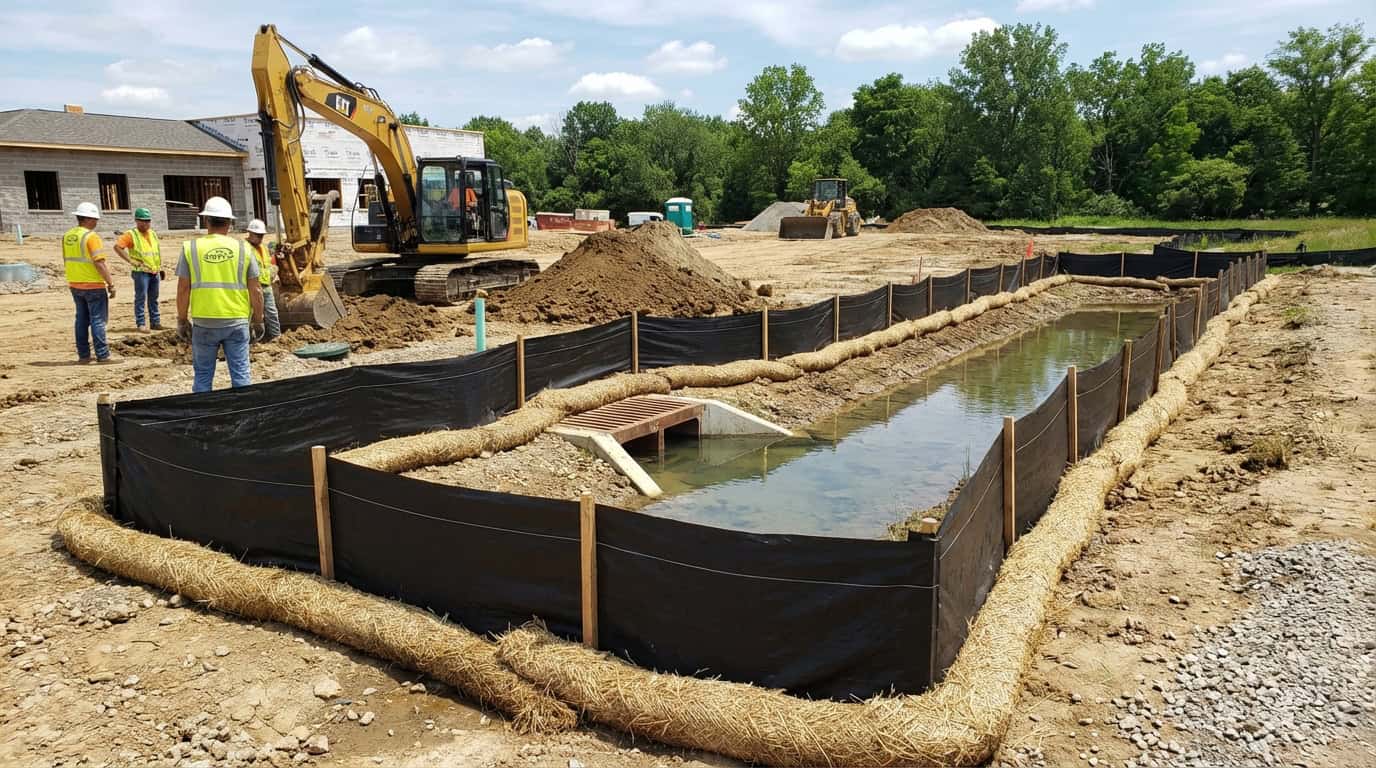
Best Management Practices are the tools that stop pollution. Your SWPPP lists which ones you’ll use and where. Here are the most common:- Silt Fences: Fabric barriers that catch sediment before it leaves the site
- Sediment Basins: Ponds that hold dirty water until solids settle out
- Inlet Protection: Filters around storm drains to trap debris
- Stabilized Construction Entrances: Rock pads that clean mud off truck tires
- Erosion Control Blankets: Mats that hold soil in place on steep slopes
- Vegetation: Grass and plants that stop erosion naturally
- Dust Control: Water trucks or sprayers that keep dirt from blowing away
Who Needs to See Your SWPPP?
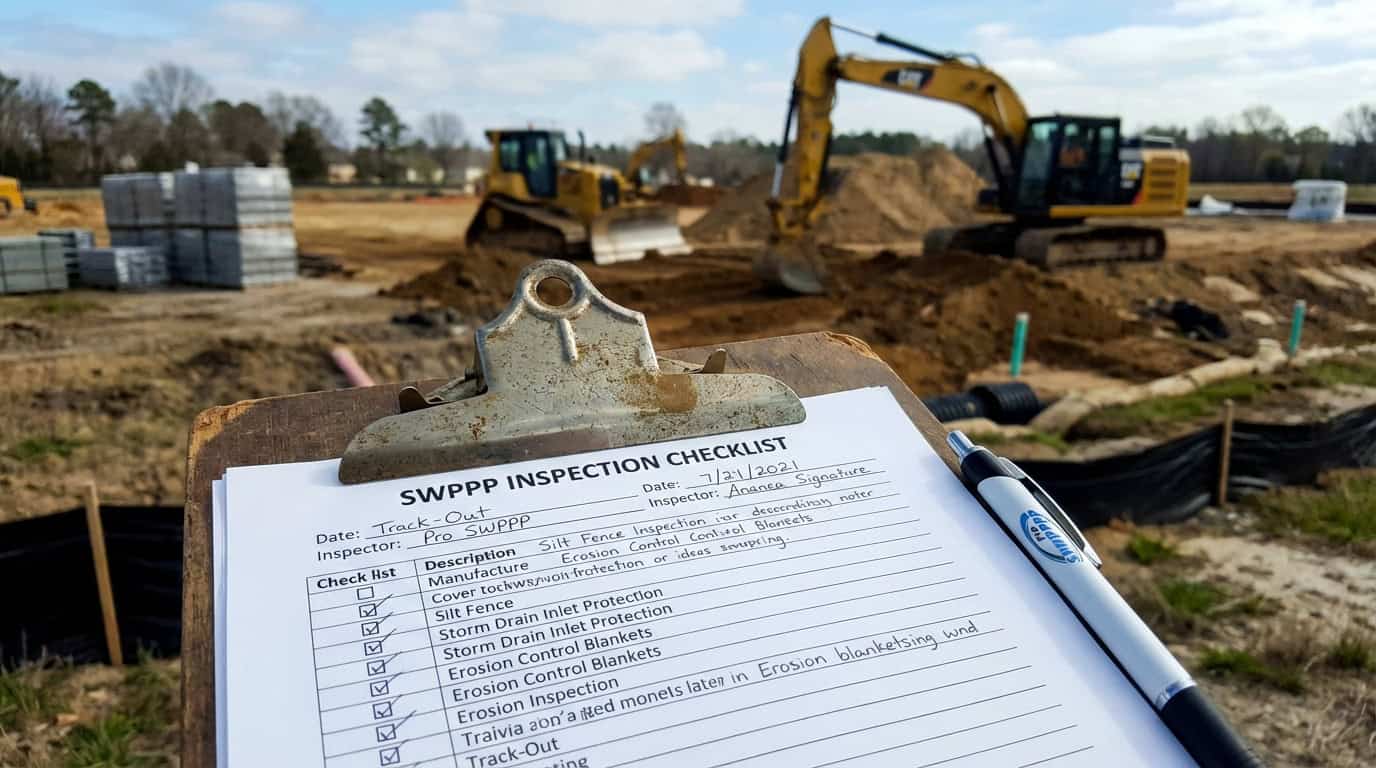
Your SWPPP must stay on-site at all times. Keep it in a weatherproof box or job trailer. These people will ask to see it:- State Inspectors: They can show up without notice
- EPA Officials: Rare but they have authority everywhere
- Local Code Enforcement: Cities add their own stormwater rules
- Your Own Team: Foremen and crew leads need to follow the plan
- Clients and Engineers: They want proof you’re compliant
- Insurance Auditors: They check for liability risks